Meta Title:
Wheel Offset Explained – ET Meaning & Fitment Guide (2026)
Meta Description:
Learn what wheel offset means, how ET works, and how to choose the correct wheel offset for proper fitment and performance.
Introduction
When upgrading aftermarket wheels, one of the most important specifications is wheel offset.
Many drivers see terms like:
ET35
ET20
Positive offset
Negative offset
But what do these numbers actually mean?
In this guide, we explain wheel offset, how it affects fitment, and how to choose the right offset for your vehicle.
What Is Wheel Offset?
Wheel offset refers to the distance between the wheel’s mounting surface and the centerline of the wheel.
Offset is usually measured in millimeters (mm).
The term “ET” comes from the German word:
Einpresstiefe
which means insertion depth.
Examples:
Types of Wheel Offset
There are three main types of wheel offset.
Positive Offset
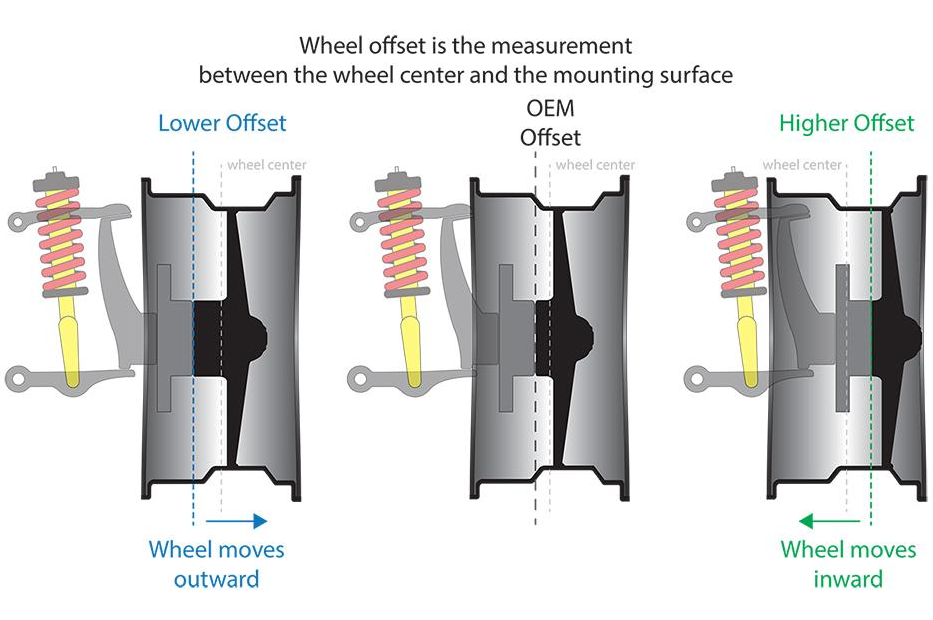
Positive offset means the mounting surface is positioned toward the outside of the wheel.
Characteristics
Zero Offset
Zero offset means the mounting surface aligns with the wheel centerline.
Characteristics
Negative Offset
Negative offset means the mounting surface is positioned toward the inside of the wheel.
Characteristics
How Offset Affects Wheel Fitment
Wheel offset directly affects:
Fender clearance
Suspension clearance
Wheel stance
Handling characteristics
Incorrect offset can cause:
Rubbing issues
Poor steering feel
Excess suspension stress
Higher Offset vs Lower Offset
| Offset Type | Wheel Position |
|---|
| Higher Offset | Further inside |
| Lower Offset | Further outside |
Example:
What Is Flush Fitment?
Flush fitment means the wheel sits evenly with the edge of the fender.
This is one of the most popular aftermarket fitment styles because it provides:
Aggressive appearance
Improved stance
Clean visual balance
Common Offset Ranges by Vehicle Type
| Vehicle Type | Typical Offset |
|---|
| BMW | ET20 – ET35 |
| Audi | ET25 – ET45 |
| Tesla | ET30 – ET40 |
| Trucks | ET0 – ET20 |
These values vary depending on wheel width and suspension setup.
Offset & Wheel Width Relationship
Offset and wheel width must work together.
Example:
Proper balance ensures safe and clean fitment.
How to Choose the Right Wheel Offset
Consider the following factors:
Vehicle Platform
Different vehicles require different offset ranges.
Wheel Width
Wider wheels change inner and outer clearance.
Suspension Setup
Lowered vehicles often need more precise offset selection.
Brake Clearance
Large brake systems require sufficient wheel clearance.
Common Mistakes When Choosing Offset
Choosing Extremely Low Offset
This may cause:
Fender rubbing
Excessive poke
Steering issues
Ignoring Suspension Clearance
Incorrect offset can contact suspension components.
Copying Fitment Without Checking Specs
Always verify:
Wheel width
Tire size
Suspension setup
TISLI Wheel Fitment Solutions
TISLI provides wheel solutions with multiple offset options for global vehicle platforms.
We offer:
FAQ – People Also Ask
What does ET mean on wheels?
ET stands for wheel offset measured in millimeters.
Is lower offset more aggressive?
Yes. Lower offset pushes the wheel outward for a wider stance.
What offset is flush fitment?
Flush fitment varies depending on the vehicle and wheel width.
Can wrong offset damage a car?
Yes. Incorrect offset may affect suspension, steering, and tire clearance.
Is positive or negative offset better?
Most modern vehicles use positive offset for proper fitment.
Final Thoughts
Wheel offset is one of the most important factors in wheel fitment.
Understanding how offset affects wheel position, clearance, and stance helps ensure proper performance and appearance.
Whether you want OEM-style fitment or aggressive flush stance, selecting the correct offset is essential for a successful wheel setup.