Meta Title:
What Are Forged Wheels? Benefits, Strength & Buying Guide (2026)
Meta Description:
Learn what forged wheels are, how they're made, and why they're stronger than cast wheels. Complete 2026 guide to forged aluminum wheels for performance cars.
Introduction
Forged wheels are considered the highest standard in the aftermarket wheel industry. From high-performance sports cars to luxury sedans and track-focused builds, forged aluminum wheels are widely chosen for their superior strength, lightweight construction, and premium appearance.
But what exactly are forged wheels?
Why are they more expensive?
And are they really worth it?
In this complete 2026 guide, we explain everything you need to know — including how forged wheels are made, their advantages, and whether they are the right choice for your vehicle.
What Are Forged Wheels?
Forged wheels are wheels manufactured from a solid block of aluminum using extreme heat and high-pressure forging machines. Instead of pouring molten aluminum into a mold (like cast wheels), forged wheels are shaped by compressing aluminum under thousands of tons of pressure.
This process aligns the metal's grain structure, making the wheel:
Because of this advanced manufacturing method, forged wheels are widely used in motorsport and high-performance vehicles.
How Are Forged Wheels Made?
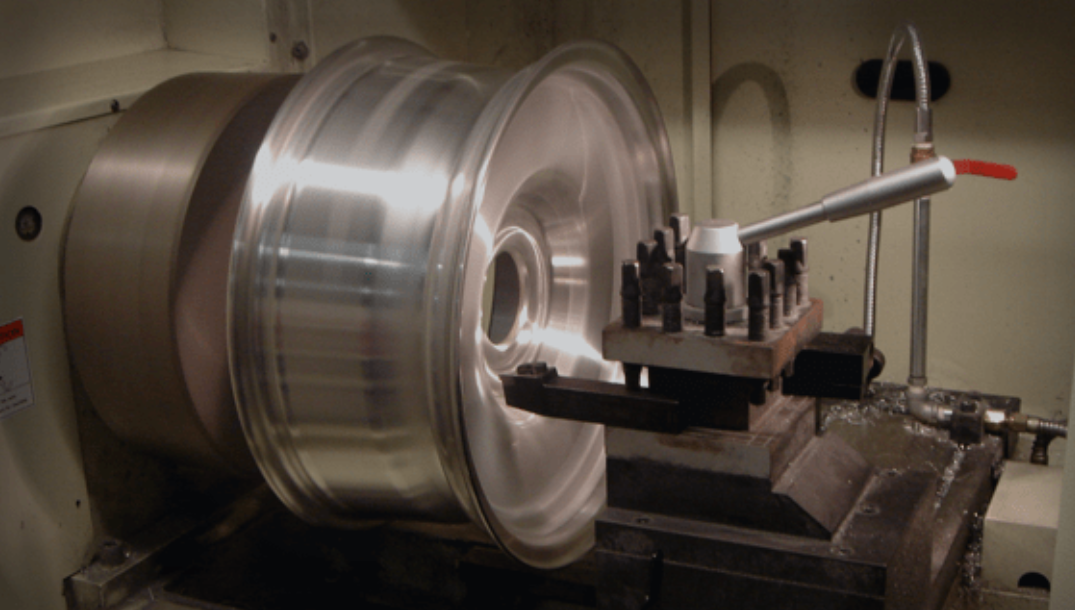
The manufacturing process typically includes:
1. Aerospace-Grade Aluminum Selection
Most premium forged wheels use 6061-T6 aluminum alloy, known for high strength-to-weight ratio.
2. High-Pressure Forging
A hydraulic press applies extreme pressure (often over 8,000–10,000 tons) to shape the wheel blank.
3. CNC Machining
After forging, the wheel is precisely cut using CNC machines to create the final design and reduce weight.
4. Heat Treatment
The wheel undergoes heat treatment to increase hardness and structural stability.
5. Surface Finishing
Finishes may include brushed, polished, powder-coated, or custom painted surfaces.
At IVISION, our forged wheels combine advanced forging technology with precision CNC machining to ensure structural integrity and premium aesthetics for global markets including the USA, Europe, and Australia.
Why Are Forged Wheels Stronger?
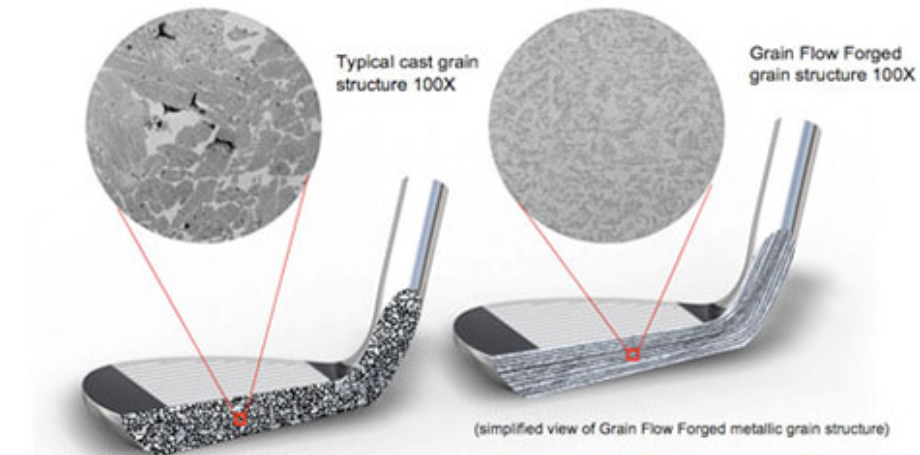
The strength advantage comes from metal grain alignment.
When aluminum is forged under high pressure:
The internal grain structure becomes dense and compact
Air pockets are eliminated
Structural weaknesses are reduced
This makes forged aluminum wheels:
Forged Wheels vs Cast Wheels
Here’s a simplified comparison:
| Feature | Forged Wheels | Cast Wheels |
|---|
| Manufacturing | High-pressure forging | Molten aluminum casting |
| Strength | Very high | Moderate |
| Weight | Lighter | Heavier |
| Durability | Excellent | Good |
| Cost | Higher | Lower |
| Performance Use | Track & high performance | Daily driving |
Forged wheels are ideal for performance-focused drivers who prioritize strength and weight reduction.
Benefits of Forged Wheels
1. Lighter Weight
Reducing unsprung weight improves:
Acceleration
Braking performance
Steering response
Fuel efficiency
2. Higher Strength
Forged wheels can withstand potholes, aggressive driving, and track conditions better than cast wheels.
3. Custom Fitment
Forged wheels are often made-to-order, allowing:
Custom offset
Custom width
Deep concave profiles
Big brake clearance
4. Premium Appearance
Forged wheels often feature:
Deep concave designs
Brushed finishes
Custom colors
Multi-piece options
Are Forged Wheels Worth It?
Forged wheels are worth it if:
You drive a performance or luxury vehicle
You want reduced weight
You demand maximum durability
You prefer custom fitment options
You value premium design
They may not be necessary if:
For enthusiasts and performance-focused drivers, forged wheels are a long-term investment.
Who Should Choose Forged Wheels?
Forged wheels are ideal for:
Performance car owners
Motorsport enthusiasts
Widebody builds
Luxury vehicle upgrades
Track-focused setups
High horsepower vehicles
They are commonly chosen for vehicles like BMW M series, Porsche 911, Tesla performance models, Audi RS models, and American muscle cars.
Common Misconceptions About Forged Wheels
Myth 1: Forged Wheels Are Only for Racing
Reality: They are perfect for daily driving and performance builds.
Myth 2: They Crack Easily
Reality: Forged wheels are actually more resistant to cracking than cast wheels.
Myth 3: All Forged Wheels Are the Same
Reality: Quality depends on material grade, forging pressure, CNC precision, and finishing standards.
FAQ – People Also Ask
Are forged wheels stronger than cast wheels?
Yes. The forging process compresses aluminum, creating a denser and stronger structure.
Are forged wheels lighter?
Yes. They are typically 15–25% lighter than comparable cast wheels.
Do forged wheels improve performance?
Yes. Reduced unsprung weight improves handling, acceleration, and braking response.
Why are forged wheels expensive?
Because the manufacturing process involves high-pressure forging, advanced CNC machining, and custom production.
How long do forged wheels last?
With proper maintenance, forged wheels can last many years and withstand demanding driving conditions.
Final Thoughts
Forged wheels represent the highest level of performance, strength, and customization in the aftermarket wheel industry.
While they require a higher initial investment, their durability, lightweight structure, and premium appearance make them the preferred choice for serious drivers worldwide.
If you are looking for lightweight, high-strength, and fully customizable forged wheels for your vehicle, IVISION offers advanced forged solutions designed for the global performance market.